
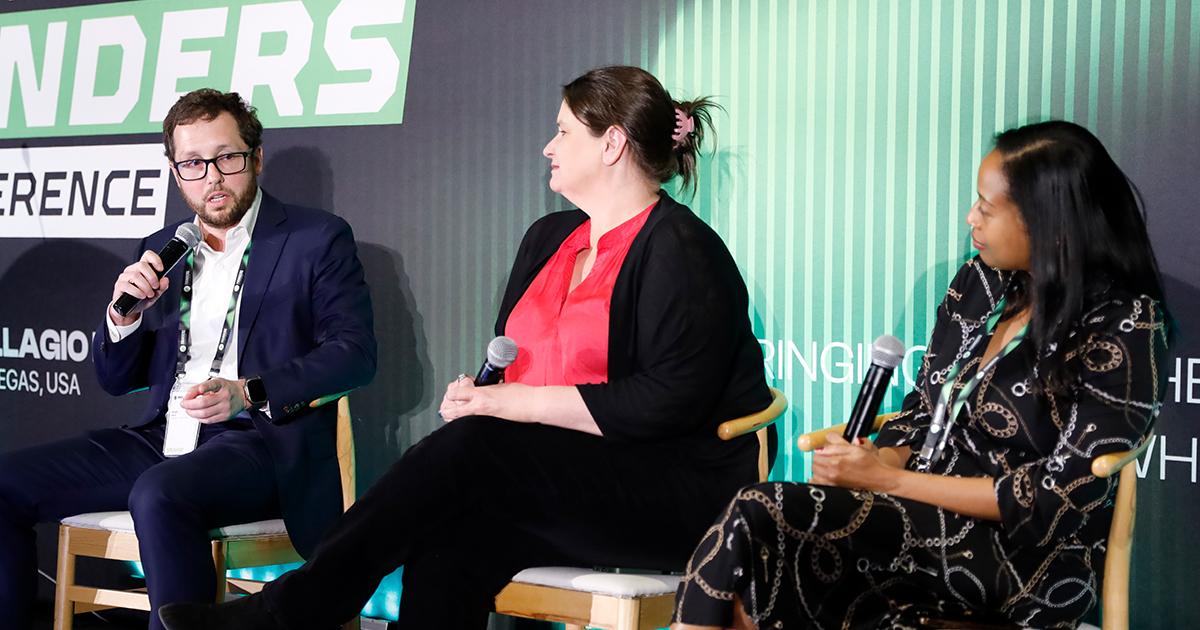
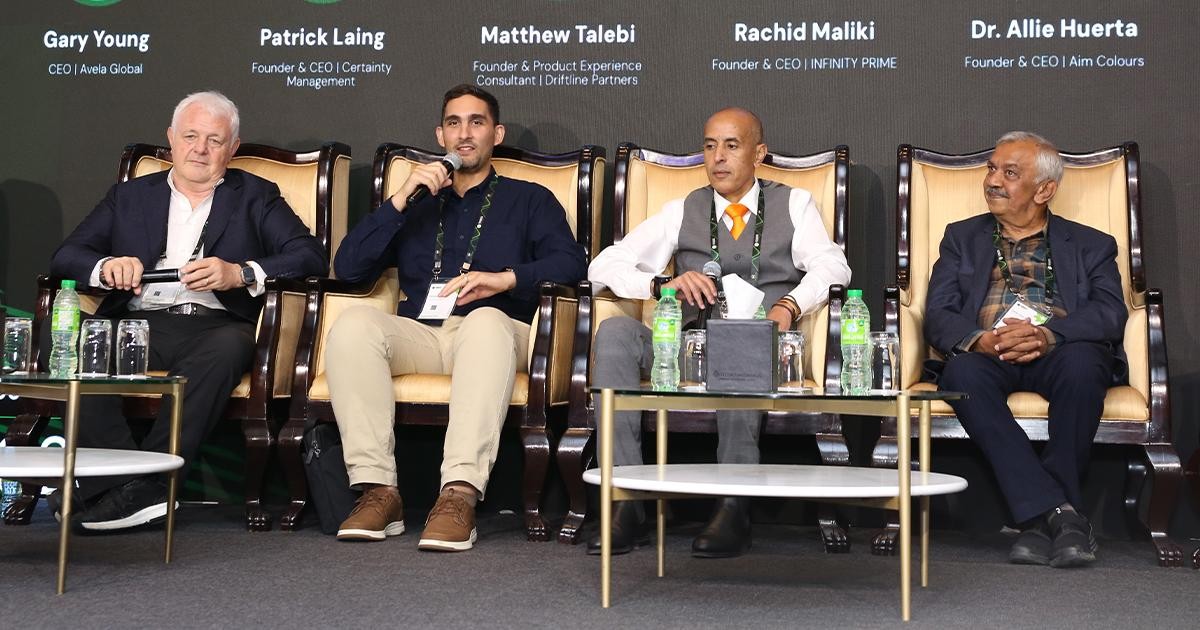
What does business growth look like when customer expectations, technology, and market conditions are evolving simultaneously? Five years ago, growth was often associated with expansion, customer acquisition, and entering new markets. Many businesses focused on scaling quickly, increasing headcount, and capturing market share. While these goals remain important, the path to growth has become more nuanced. Today, founders are balancing expansion with efficiency, resilience, profitability, and long-term sustainability. This shift is becoming increasingly relevant across entrepreneurial communities and startup ecosystems worldwide. It is also gaining attention at global business conferences of 2026 , including the Founders 2.0 Conference, where founders, investors, and business leaders examine how growth strategies are evolving in response to changing market realities.
According to PwC's 28th Annual Global CEO Survey , 42% of CEOs expect their companies to increase headcount over the next 12 months, while many are simultaneously prioritizing productivity improvements and operational efficiency. This reflects a broader shift in how organizations approach growth in today's business environment. As growth strategies continue to evolve, understanding the forces driving these changes can help founders make more informed decisions about the future of their businesses.
Growth has always been influenced by external factors. However, the pace of change affecting businesses today is creating new opportunities and challenges for founders. Organizations are adapting their strategies to remain competitive while responding to shifting customer and market demands. Several developments are contributing to this transformation:
Customers today expect personalized experiences, seamless interactions, and faster service delivery. Businesses that can respond effectively to these expectations are often better positioned to strengthen customer relationships and support long-term growth.
Technologies such as artificial intelligence, automation, and advanced analytics are changing how businesses operate. These tools are helping organizations improve efficiency, enhance customer experiences, and identify new opportunities for innovation.
Market conditions can change quickly, making long-term planning more challenging. As a result, many founders are building greater flexibility into their growth strategies to respond more effectively to evolving circumstances.
Digital platforms have lowered barriers to entry across many industries. Businesses now compete not only with established organizations but also with emerging startups that can quickly reach global audiences.
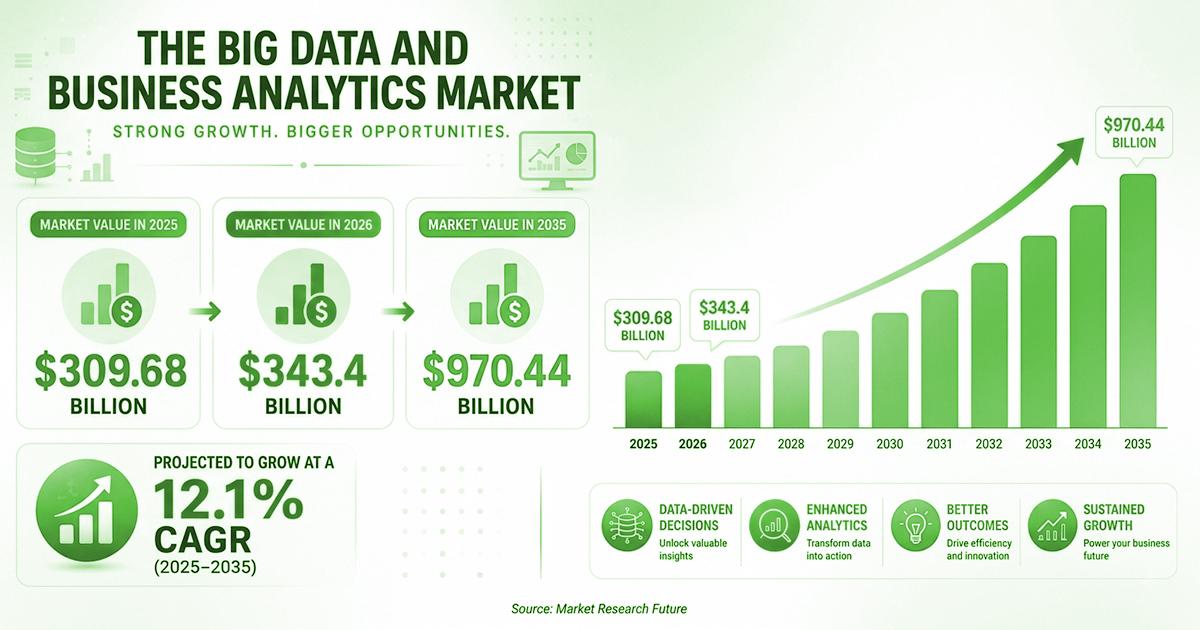
Organizations have access to more information than ever before. Data-driven insights are helping founders better understand customer behavior, monitor performance, and make strategic decisions that support growth.
As business environments continue to change, founders are reassessing what successful growth looks like. Many organizations are adopting a broader view that emphasizes long-term value creation. Several priorities are becoming increasingly important, including:
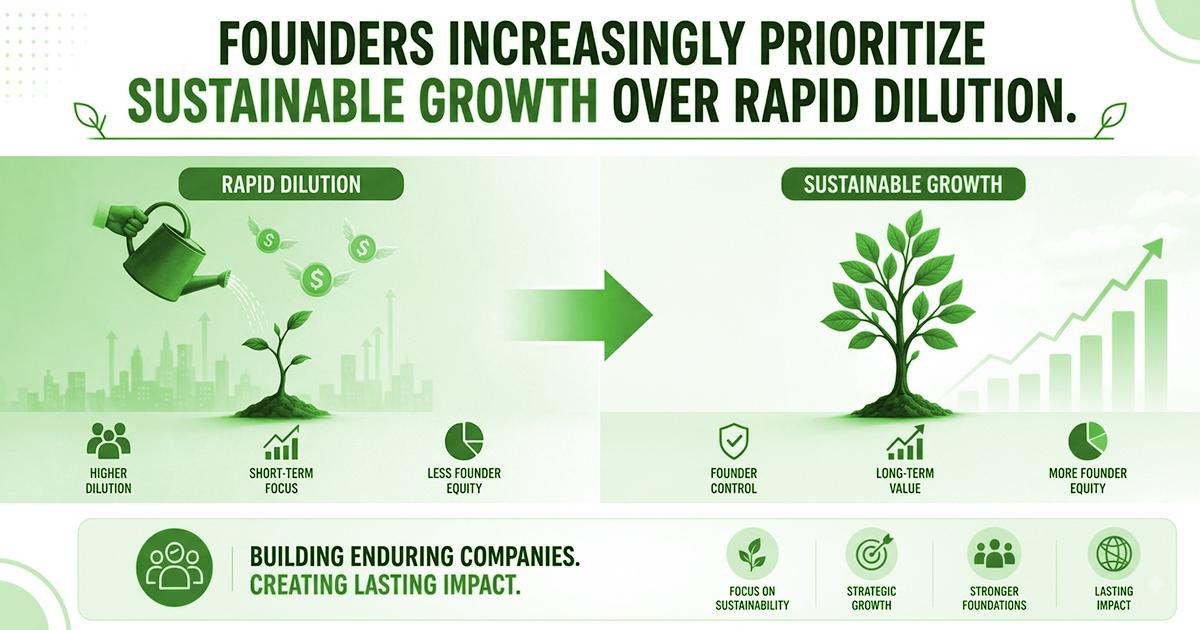
Businesses are placing greater emphasis on building growth strategies that can be maintained over time. This often involves balancing expansion goals with financial discipline and operational efficiency.
Acquiring new customers remains important, but retaining existing customers is receiving greater attention. Strong customer relationships can improve revenue stability and support long-term business performance.
Organizations are looking for ways to achieve more with existing resources. Improving processes, reducing inefficiencies, and leveraging technology can help support growth without significantly increasing costs.
Unexpected disruptions have highlighted the importance of resilience. Founders are focusing on strategies that help businesses adapt to changing conditions while maintaining continuity and performance.
Growth increasingly depends on systems that can support larger operations without creating unnecessary complexity. Scalable processes and infrastructure allow businesses to expand more effectively.
Entrepreneurs are responding to changing growth priorities by rethinking how they build and scale their businesses. As market conditions evolve, many founders are moving beyond traditional expansion models and focusing on strategies that support long-term sustainability, operational efficiency, and business resilience.
These developments continue to shape conversations at business conferences and founders’ events. Several approaches are becoming increasingly important as founders adapt to this new growth landscape:
As growth strategies evolve, certain founder capabilities are becoming increasingly valuable. While industry expertise remains important, leadership skills are playing a larger role in helping organizations navigate complexity and identify opportunities.
LinkedIn's 2025 Workplace Learning Report found that 91% of learning and development professionals believe continuous learning is more important than ever for career success, reflecting the growing need for leaders and founders to continuously develop new capabilities. Let us have a look at the capabilities that are redefining growth for businesses:
Founders must be able to connect day-to-day decisions with long-term business objectives. Strategic thinking helps organizations allocate resources effectively and pursue sustainable growth opportunities.
Business conditions can change rapidly. Adaptable leaders are often better positioned to respond to new developments while maintaining progress toward organizational goals.
Understanding customer needs and preferences remains critical to business success. Organizations that stay closely connected to their customers can often identify opportunities for improvement and innovation.
The ability to interpret and apply data effectively is becoming increasingly valuable. Data literacy supports better decision-making and helps organizations identify emerging trends.
Innovation extends beyond product development. Founders who encourage experimentation and continuous improvement are often better prepared to navigate evolving market conditions.
Business growth in 2026 looks markedly different from what many organizations experienced five years ago. Expansion remains important, but founders are increasingly balancing growth ambitions with efficiency, resilience, customer retention, and long-term sustainability. These priorities continue to influence the direction of the upcoming business conferences of 2026. As growth strategies continue to evolve, staying informed has never been more important. Join the Founders 2.0 Conference Singapore 2026 Edition to gain valuable perspectives on entrepreneurship, innovation, and sustainable business growth.

Palak Gupta is a Content Writer at the Founders 2.0 Conference, where she develops insightful and engaging content centered on startup innovation, advancements in artificial intelligence, ethical business practices, and the evolving landscape of digital transformation. Through her work, she helps illuminate critical issues facing entrepreneurs today, including phishing scams, investment fraud, and identity theft. Outside of her professional pursuits, Palak enjoys exploring new cuisines, cooking, and gardening.
Posted on : Tue, 09/29/2026 - 14:32

Posted on : Tue, 09/29/2026 - 14:29
Posted on : Tue, 09/01/2026 - 16:05
Posted on : Thu, 08/20/2026 - 18:15

Posted on : Wed, 08/12/2026 - 12:52

Posted on : Mon, 07/13/2026 - 15:13
Posted on : Tue, 06/16/2026 - 14:01
Posted on : Thu, 04/16/2026 - 11:36
Posted on : Fri, 03/06/2026 - 14:01

Posted on : Wed, 02/25/2026 - 12:52