
Imagine two startups with equally promising ideas, talented teams, and access to funding. A few years later, one has grown into a thriving organization, while the other struggles with inconsistent decision-making, declining collaboration, and high employee turnover. What made the difference? In many cases, the answer lies not in the product or the funding but in the organizational culture that guided growth from the very beginning.
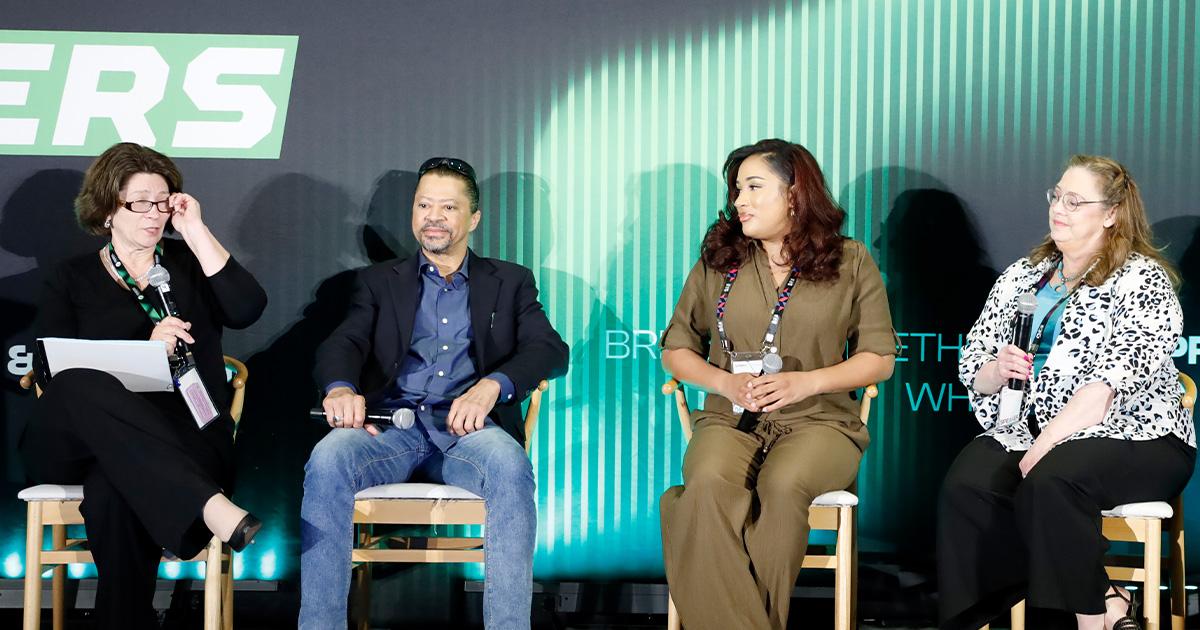
As businesses expand, founders can no longer oversee every decision or directly influence every employee interaction. Instead, culture becomes the framework that shapes how teams collaborate, solve problems, make decisions, and respond to change. These leadership priorities continue to gain attention at business conferences and business events in 2026, where founders explore practical approaches to building organizations that can sustain long-term growth.
In the early stages of a startup, founders often make most strategic decisions while working closely with small teams. As organizations grow, this dynamic gradually changes. More employees, additional layers of leadership, and expanding operations require decisions to be made across teams and locations. Under these circumstances, culture begins to serve as a shared framework that guides behavior and decision-making, even when founders are no longer directly involved in every situation.
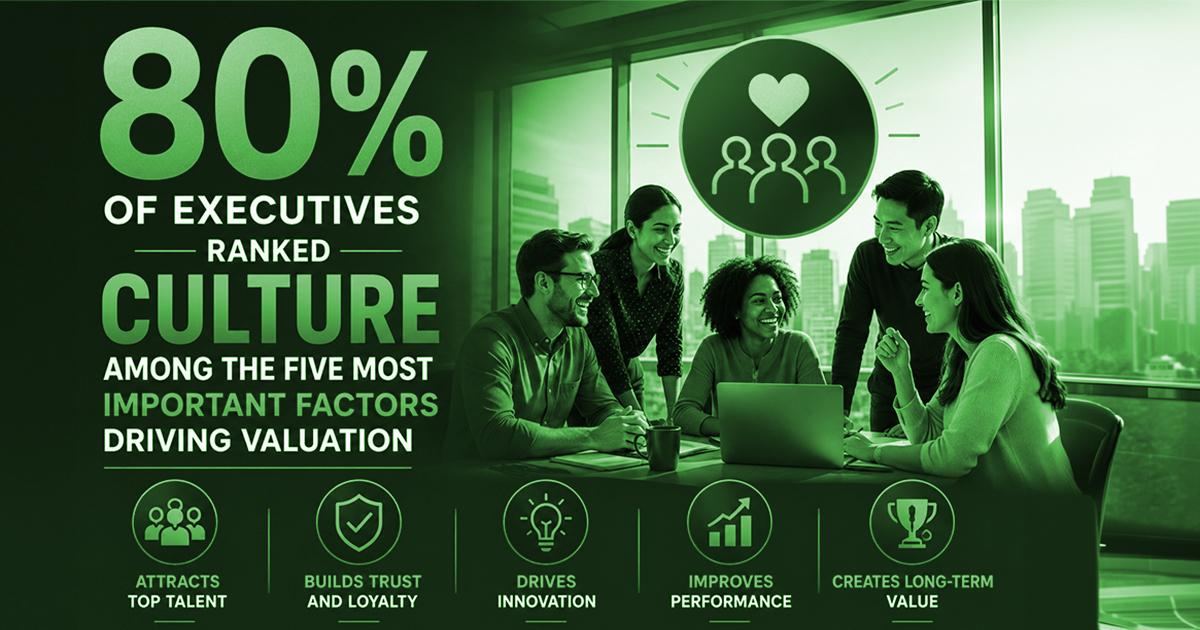
According to research, 91% of executives agree that improving corporate culture would increase their organization’s value. This reflects the growing recognition that organizational culture is not only an internal management priority but also a strategic driver of long-term business value. As organizations continue expanding, founders are placing greater emphasis on creating environments where employees can make consistent decisions while remaining aligned with the organization's long-term vision.
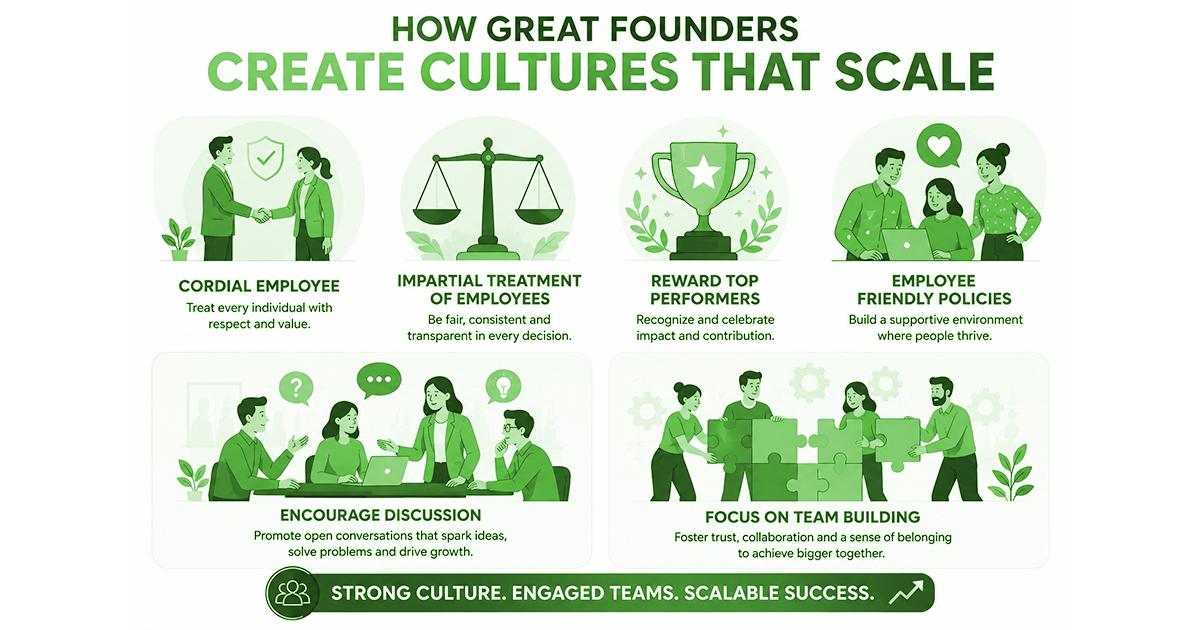
Scalable cultures are rarely created through mission statements alone. They develop through leadership practices, organizational systems, and consistent behaviors that continue supporting the business as it grows. Rather than relying entirely on founders' daily involvement, scalable cultures give employees the clarity to make decisions independently while working toward shared business objectives. Several elements contribute to building a culture that can grow alongside the organization:
Building a strong culture is only the first step. As organizations expand, founders face the challenge of ensuring that culture remains consistent across larger teams, new locations, and evolving leadership structures. Instead of relying solely on informal interactions, many growing businesses intentionally reinforce their culture through everyday practices that shape how employees work, collaborate, and make decisions.
As organizations continue scaling, these leadership approaches are becoming an important topic at business conferences, where founders exchange practical insights on building companies that remain aligned during periods of rapid growth. Several practices help reinforce culture over time:
1. Leading Through Everyday Actions
Employees often observe leadership behavior more closely than written values. Founders who consistently demonstrate the standards they expect from others help establish credibility and encourage similar behaviors throughout the organization.
2. Embedding Culture Into Onboarding
Introducing new employees to organizational values, decision-making approaches, and ways of working from the outset helps create alignment as teams continue to expand.
3. Recognizing Behaviors That Reflect Company Values
Acknowledging employees who demonstrate collaboration, accountability, innovation, or customer focus reinforces the behaviors the organization wants to encourage across all levels.
4. Encouraging Open Communication
Providing employees with opportunities to share ideas, raise concerns, and offer feedback helps strengthen trust while enabling leaders to better understand changing organizational needs.
5. Reviewing & Strengthening Culture Regularly
As businesses evolve, founders often revisit leadership practices, organizational processes, and employee experiences to ensure the culture continues supporting changing business priorities without losing its core identity.
As businesses expand, founders gradually shift from making every important decision to building organizations that can make sound decisions independently. Achieving this transition requires more than effective leadership. It involves creating systems, behaviors, and workplace environments that remain consistent even as teams, markets, and business priorities evolve. Organizations with scalable cultures are often better positioned to navigate growth while maintaining collaboration, adaptability, and a shared sense of purpose.
For entrepreneurs, startup founders, investors, and business leaders interested in exploring these leadership priorities further, the Singapore Edition of the Founders 2.0 Conference, taking place from December 2–4, 2026, will provide a platform to discuss entrepreneurship, leadership, organizational growth, innovation, and startup strategy alongside experts from across industries. If you would like to join these discussions, you can register for the upcoming business conference in Singapore in 2026 through the official conference website.
1. How can founders build a culture that supports long-term growth?
2. What can attendees expect from the Founders 2.0 Conference?
3. Can I apply to become a speaker at the upcoming business conference in Singapore?
4. What are some early signs that a company's culture may need attention?
5. How can startups maintain their culture while expanding into new markets?

Palak Gupta is a Content Writer at the Founders 2.0 Conference, where she develops insightful and engaging content centered on startup innovation, advancements in artificial intelligence, ethical business practices, and the evolving landscape of digital transformation. Through her work, she helps illuminate critical issues facing entrepreneurs today, including phishing scams, investment fraud, and identity theft. Outside of her professional pursuits, Palak enjoys exploring new cuisines, cooking, and gardening.
Posted on : Tue, 09/29/2026 - 14:32

Posted on : Tue, 09/29/2026 - 14:29
Posted on : Tue, 09/01/2026 - 16:05
Posted on : Thu, 08/20/2026 - 18:15
Posted on : Tue, 08/18/2026 - 13:58
Posted on : Mon, 07/13/2026 - 15:13
Posted on : Tue, 06/16/2026 - 14:01
Posted on : Thu, 04/16/2026 - 11:36
Posted on : Fri, 03/06/2026 - 14:01

Posted on : Wed, 02/25/2026 - 12:52