
Imagine a founder who successfully launches a startup and begins gaining traction in the market. As the business grows, however, the challenges start to emerge. Managing people, making difficult decisions, and leading through uncertainty require a different set of skills than those needed to start the company. As organizations evolve, founders are often required to strengthen their leadership capabilities, adapt to changing circumstances, and navigate increasingly complex responsibilities. Many eventually discover that the ability to scale a business is closely linked to their ability to grow alongside it.
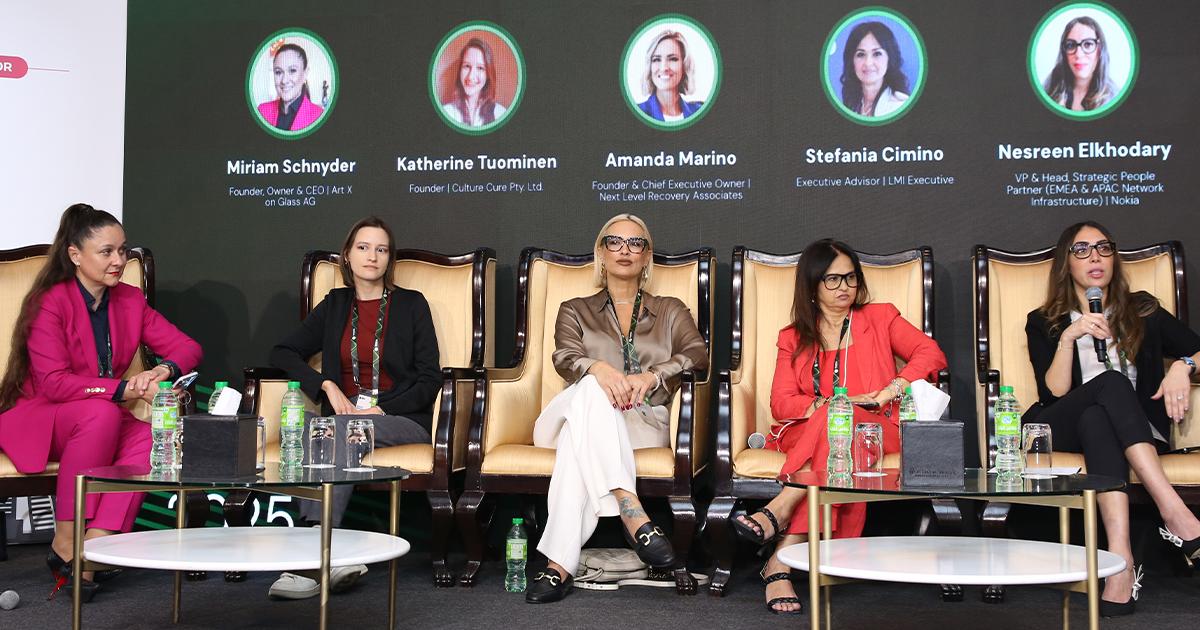
The relationship between founder growth and business growth continues to attract attention at business events such as the Founders 2.0 Conference, where business leaders explore how personal growth drives organizational success. As today's business environment becomes increasingly complex, many founders are recognizing that building a stronger company often begins with building stronger leadership capabilities.
Every organization develops systems, processes, and culture over time. During the early stages of growth, however, many of these elements are shaped directly by the founder. The way leaders communicate, make decisions, respond to challenges, and manage uncertainty often influences how employees work and interact with one another. This influence extends beyond day-to-day operations. Leadership behavior can affect employee engagement, workplace culture, and overall organizational performance. Founders frequently set the tone for how information is shared, how accountability is handled, and how decisions are made.
Over time, these leadership patterns often become embedded within the company's culture and operating practices. This is why founder development is increasingly viewed as more than personal growth. Founders play a meaningful role in shaping how the entire organization functions and evolves.
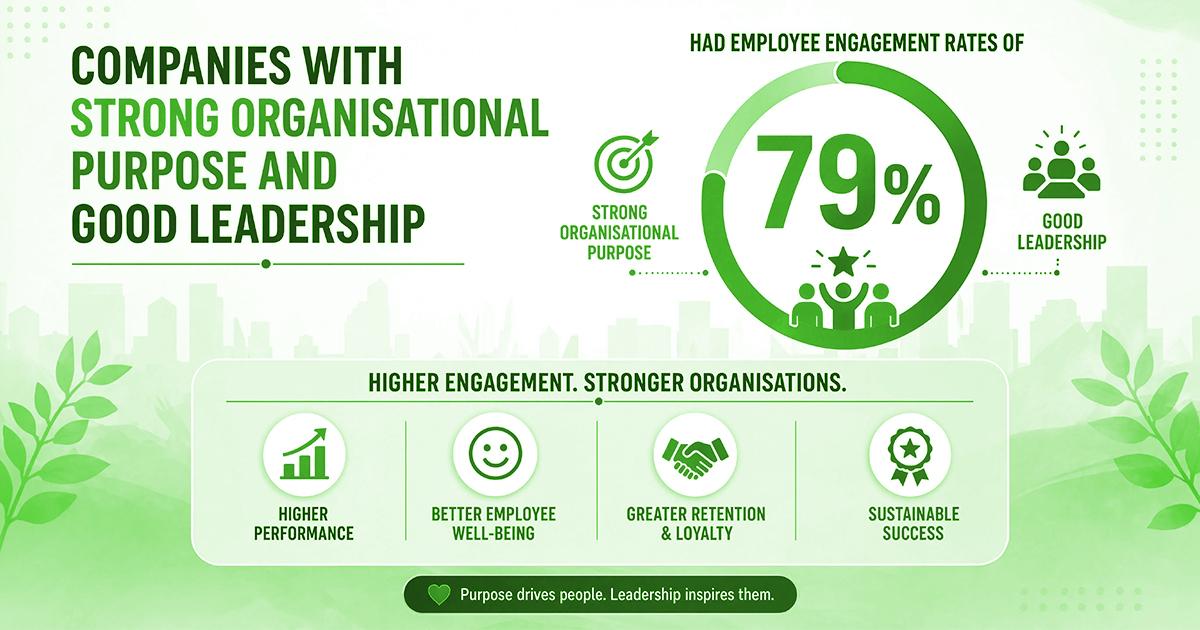
Many entrepreneurs begin their journey by focusing on what they need to build. As organizations grow, a different question often emerges: How am I influencing the outcomes I'm seeing? Self-awareness helps founders recognize:
Founders who understand their own strengths and limitations are often better equipped to make balanced decisions and build teams that complement their capabilities. As leadership expectations continue to evolve, founder development is becoming an increasingly discussed area within the entrepreneurial community. These conversations also continue to shape sessions and networking discussions at the global business events.
Launching a company often requires founders to be deeply involved in every aspect of the business. In the early stages, they may manage product development, sales, hiring, customer relationships, and operations simultaneously. While this hands-on approach can support initial growth, it often becomes increasingly difficult to sustain as organizations expand.
As teams grow, decision-making becomes more complex, and business operations require greater coordination. As a result, founders often need to evolve their approach to leadership. The goal is no longer simply to work harder or become more efficient. Instead, it involves developing the skills and perspectives needed to guide a growing organization. Several important transitions often accompany this evolution:
In the early stages, founders frequently rely on personal involvement to keep operations moving. As businesses grow, scalable systems become more important than individual effort.
Growth often requires decisions to be made across multiple teams and functions. Empowering others can help organizations remain agile while strengthening internal leadership.
Early-stage businesses often focus on addressing immediate challenges. Scaling organizations benefit from leaders who can identify opportunities and risks before they become urgent issues.
As headcount increases, culture becomes a key factor influencing collaboration and performance. Founders play an important role in establishing the values and behaviors that guide the organization.
Business expansion often introduces new markets, stakeholders, and operational demands. Leaders must balance growth ambitions with organizational coordination.
Many organizations invest significant effort in defining values, mission statements, and workplace initiatives. While these elements can influence culture, employees often form their perceptions of organizational culture through everyday leadership behavior. As companies grow, founders play an important role in establishing expectations around communication, accountability, and decision-making.
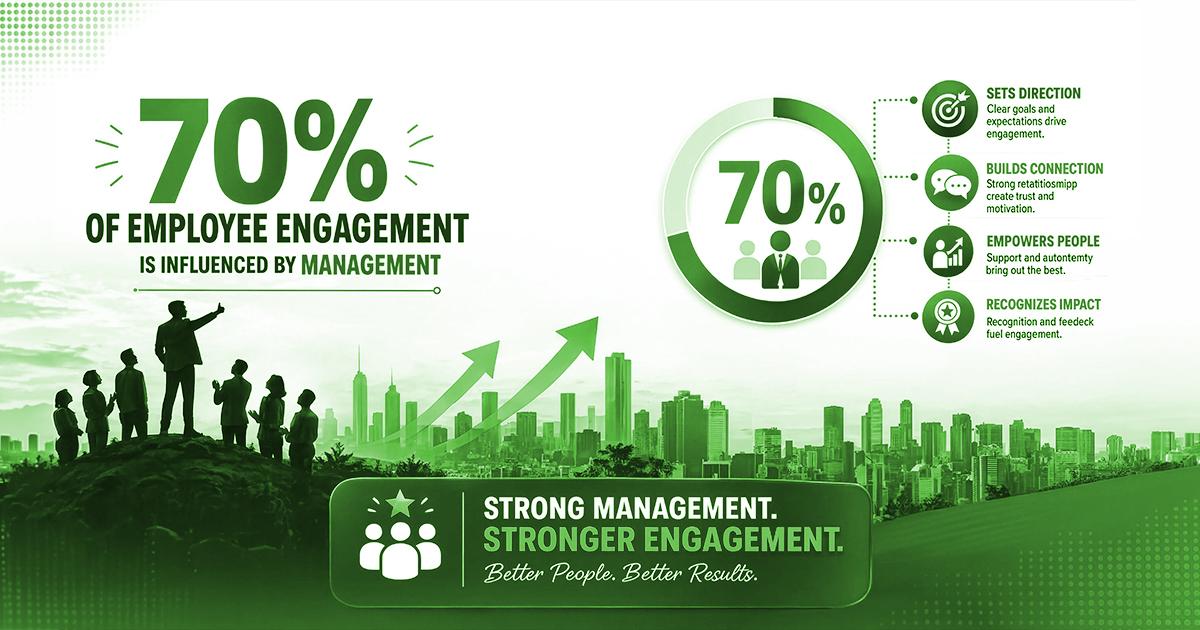
Employees observe what leaders say and also how they respond to challenges, interact with teams, and handle uncertainty. Over time, these actions can influence workplace norms more strongly than formal policies. According to Gallup, managers account for 70% of the variance in employee engagement, highlighting the significant role leadership behavior plays in shaping workplace experiences and organizational culture. Let us look at some of the leadership behaviors that can have a lasting impact on organizational culture:
Entrepreneurship is often measured through visible milestones such as funding rounds, product launches, market expansion, and revenue growth. Yet many of the factors that influence long-term success are less visible. The ability to build trust, navigate uncertainty, create alignment, and sustain momentum over time often determines whether an organization can continue to grow through different stages of its journey. As businesses face increasingly complex economic, technological, and workforce challenges, the expectations placed on founders are also changing.
Today's entrepreneurs are expected to identify opportunities and guide organizations through constant transformation while maintaining clarity of purpose. This evolving view of entrepreneurship continues to influence discussions across business events, including at the Founders 2.0 Conference. You can attend the upcoming business conference in Dubai and explore the evolving demands of leadership in a rapidly changing business environment.

Palak Gupta is a Content Writer at the Founders 2.0 Conference, where she develops insightful and engaging content centered on startup innovation, advancements in artificial intelligence, ethical business practices, and the evolving landscape of digital transformation. Through her work, she helps illuminate critical issues facing entrepreneurs today, including phishing scams, investment fraud, and identity theft. Outside of her professional pursuits, Palak enjoys exploring new cuisines, cooking, and gardening.
Posted on : Tue, 09/29/2026 - 14:32
Posted on : Wed, 10/07/2026 - 18:00
Posted on : Tue, 09/01/2026 - 16:05
Posted on : Tue, 08/18/2026 - 13:58
Posted on : Wed, 08/12/2026 - 12:52
Posted on : Mon, 07/13/2026 - 15:13
Posted on : Tue, 06/16/2026 - 14:01
Posted on : Thu, 04/16/2026 - 11:36
Posted on : Wed, 10/07/2026 - 17:33

Posted on : Wed, 02/25/2026 - 12:52