
In an era where businesses are constantly adapting to new technologies, changing customer expectations, and evolving operational demands, growth often becomes closely associated with digital transformation. Yet, growth is rarely driven by technology alone. Behind every successful expansion strategy lies a combination of reliable systems, strong processes, clear governance, and the ability to adapt when circumstances change.
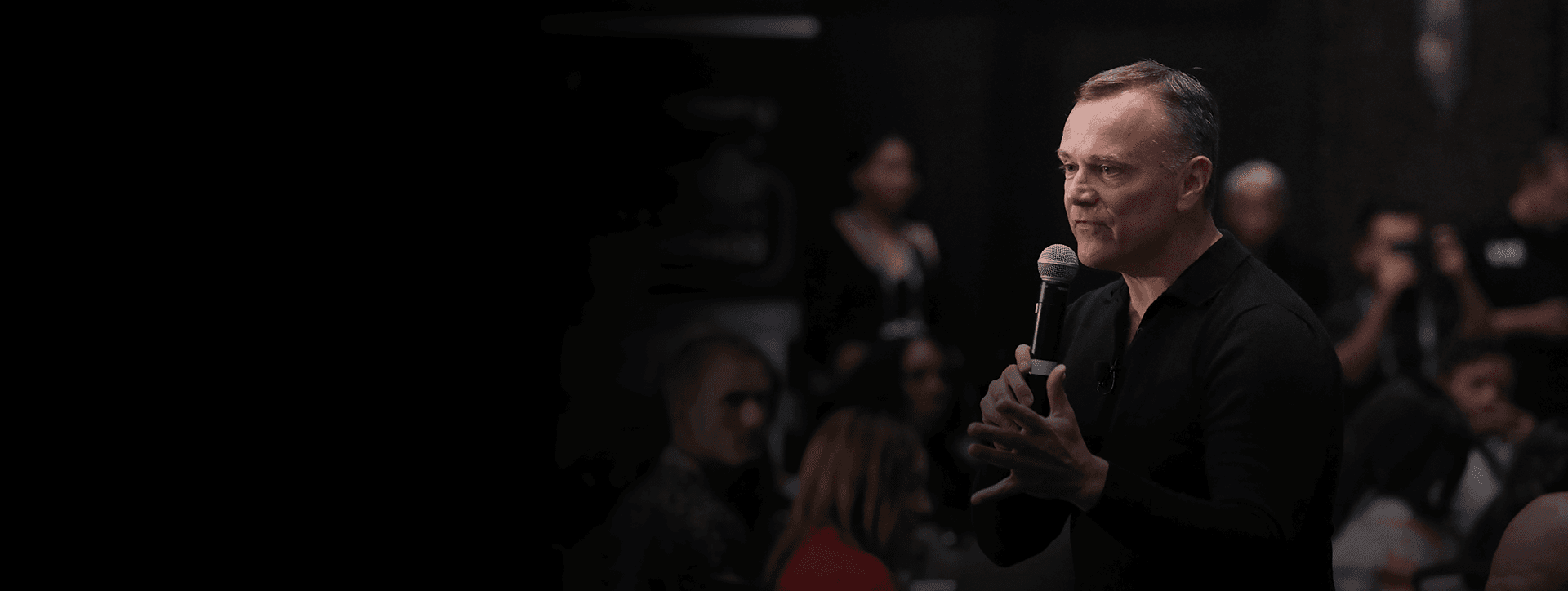
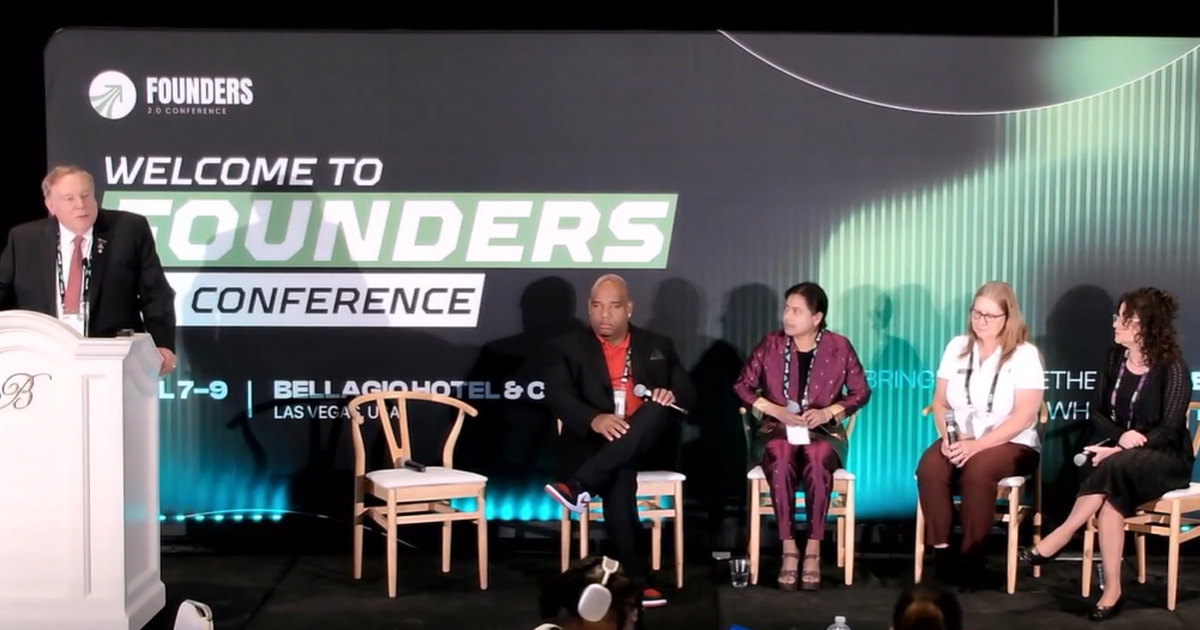
These ideas were explored during the panel discussion titled “Overcoming Infrastructure Gaps: Scaling Digital Businesses In Emerging Regions” at the Founders 2.0 Conference, held at the Bellagio Hotel & Casino in Las Vegas, Nevada, USA, from April 7–9, 2026. Moderated by Jeremy Stennett, the session featured Dr. Lance McNeil, and Dr. Siegfried Isele.
Bringing together expertise from business strategy, operations, and technology, the panel examined the realities organizations face while pursuing growth in rapidly changing business environments. This conversation at the global founders summit focused on the systems, structures, and decision-making approaches that help businesses remain resilient, organized, and prepared as they expand.
One of the earliest themes to emerge was the idea that growth begins long before new technologies are introduced. While digital tools can support expansion, they cannot compensate for weak operational foundations.
A strong operating model was presented as one of the most important ingredients for sustainable growth. Organizations often become heavily dependent on technology without considering what happens when systems fail or unexpected disruptions occur. Businesses that can continue operating effectively during periods of uncertainty are often better positioned for long-term success.
The importance of governance, accountability, and measurable performance indicators also received significant attention. These elements provide organizations with visibility into their operations and help leaders understand what is working well and where improvements are needed. Without that visibility, growth can quickly become difficult to manage.
One of the session’s most memorable insights came when Dr. Siegfried Isele, Group President & CTO of Helvetic Minds & SwissShore LLC, emphasized the importance of confidence in organizational systems:
“Trust your own system. Trust your own processes because if you don’t trust into your own processes they are already rotten.”
His message underscored a simple but powerful idea: organizations cannot build sustainable growth on systems they do not trust themselves.
Another key point centered on understanding current performance before pursuing expansion.
Growth is often associated with acquiring more customers, increasing revenue, or entering new markets. However, the panelists highlighted the value of first examining what is already happening inside the business. Identifying successful practices and recognizing areas that require improvement creates a stronger foundation for future growth.
Performance indicators were described as useful tools for understanding operational health. They allow organizations to evaluate how effectively processes are functioning and where resources should be directed. Rather than relying on assumptions, businesses can make decisions based on measurable outcomes.
Customer experience was also closely tied to scalability. Strong systems help create consistent experiences, making it easier for organizations to maintain service quality as demand increases. In this context, growth is not only about doing more business; it is about maintaining quality while doing so.
Operational challenges can emerge in any industry, particularly when organizations are responsible for managing large volumes of information.
Drawing from nonprofit sector experiences, examples were shared about organizations working with grants and government-funded programs. These organizations often face extensive documentation requirements and reporting responsibilities. Managing those obligations effectively requires systems that support organization, accessibility, and accountability.
Technology was presented as a practical solution for streamlining these responsibilities. Centralized databases and structured documentation processes help organizations remain organized while reducing administrative burdens.
A broader lesson emerged from this portion of the session: efficiency comes from designing systems that support business objectives rather than creating additional complexity. When processes are structured thoughtfully, organizations can spend less time searching for information and more time focusing on service delivery and growth.
The topic of digital transformation introduced another important consideration: the quality of data.
An example involving a large insurance-sector system migration illustrated how difficult it can be to replace legacy systems while maintaining uninterrupted operations. Success depends not only on the technology being introduced but also on the quality of the information being transferred.
The panel stressed that data serves as the foundation for every digital initiative. Poor-quality information can create challenges regardless of how advanced a system may be.
Artificial intelligence was also referenced within this context. While AI continues to attract significant attention across industries, its effectiveness depends entirely on the accuracy and reliability of the data supporting it. Without a strong foundation, organizations may struggle to achieve the results they expect from technology investments.
The message was clear: before focusing on advanced tools, businesses should ensure their underlying information is accurate, organized, and dependable.
One of the most interesting perspectives shared during the session challenged the way emerging markets are often defined. Rather than viewing them strictly as geographic regions, the idea was presented that opportunities can exist anywhere a challenge remains unsolved. A business does not need to look halfway across the world to find room for growth.
In many cases, opportunities can be found within existing industries, customer groups, communities, or operational structures. This perspective encouraged attendees to focus on identifying unmet needs and inefficiencies, reinforcing the idea that growth often begins by solving the problems already sitting right in front of us.
Technology and infrastructure remained important topics throughout the session, but the conversation also placed significant focus on people and leadership. The speakers highlighted how organizations can sometimes lose sight of the connections between different functions when departments work independently.
Stronger results often come from understanding how those moving parts work together. Trust emerged as a recurring theme, particularly when discussing the value of listening to employees who work closest to day-to-day operations. The session also reinforced that organizations seeking different results need to be willing to embrace change and rethink familiar approaches when necessary.
Compliance may not be the first thing that comes to mind when businesses think about growth, yet it remains an important part of the conversation. The panel explored how technology can support documentation, reporting requirements, privacy practices, and information management, helping organizations stay organized as they grow. Risk management was also framed as a matter of preparation rather than avoidance.
Instead of leaving important decisions to chance, businesses benefit from understanding their risks and putting clear processes in place. The speakers also highlighted the value of standardized approaches, explaining that consistency can make systems easier to maintain while supporting stronger operational performance.

Toward the latter part of the session, attention turned to the consequences of overlooking infrastructure and operational readiness. Reliable systems were described as essential for maintaining business continuity. Organizations that lack dependable processes often encounter disruptions that affect service delivery, customer satisfaction, and overall performance. Even businesses experiencing strong growth can face setbacks when their operational structures are unable to support increasing demand.
Real-world examples demonstrated how rapid growth can expose weaknesses within existing systems. As customer expectations rise and workloads increase, organizations need processes capable of handling additional volume without compromising quality or consistency. Preparing infrastructure in advance helps businesses remain responsive while maintaining the trust of those they serve.
Reflecting on the mindset required to support long-term improvement, Dr. Lance McNeil, President of McNeil Advantage, encouraged attendees to "Be open to always being a learner." His statement aligned closely with the broader message that growth is not only about expansion but also about continuously improving the systems, processes, and practices that support an organization's success. Leaders who remain open to learning are often better equipped to identify challenges early and adapt effectively as their businesses evolve.
Growth often creates new opportunities, but it also highlights the systems, processes, and structures that support day-to-day operations. Throughout the session, the speakers emphasized that lasting progress is strengthened by thoughtful planning, operational consistency, accountability, and the ability to adapt to changing circumstances.
A recurring theme was the importance of building reliable foundations before pursuing expansion. From strengthening operating models and improving data quality to understanding risk and creating trust in organizational processes, the session reinforced that sustainable growth depends on more than technology alone.
Jeremy Stennett, Business Advisor & Wealth Strategist at WasemeStennett Business Advisors, captured a central takeaway when he stated, "Infrastructure gaps aren't necessarily barriers to grow, but they're opportunities for you to grow." As conversations at the Founders 2.0 Conference continued, this session served as a valuable reminder that addressing challenges today can create stronger, more resilient organizations for tomorrow. Your next opportunity to learn, connect, and grow starts here. To learn more, browse our upcoming business conferences and connect with the leaders and innovators driving the future of business.
How Could Attendees Participate In Discussions At The Founders 2.0 Conference Session?
Attendees had opportunities to engage with expert-led discussions, network with business leaders, and gain practical insights into scaling organizations in evolving business environments.
What Funding Options Can Help Digital Businesses Expand In Emerging Regions?
Digital businesses can explore venture capital, government grants, development finance programs, strategic partnerships, and revenue-based financing to support expansion while managing infrastructure-related challenges.
How Can Cloud Computing Support Business Growth In Underserved Markets?
Cloud computing enables businesses to access scalable technology resources without significant upfront infrastructure investments, helping improve flexibility, cost efficiency, and operational reach.
What Cybersecurity Measures Should Growing Digital Businesses Prioritize?
Growing businesses should focus on data encryption, access controls, employee security training, regular system audits, and incident response planning to protect critical information and maintain customer trust.
Are There Opportunities For Attendees To Network At The Founders 2.0 Conference?
The conference creates opportunities for attendees to connect with entrepreneurs, investors, executives, and industry experts, helping participants build relationships that may support future collaborations, partnerships, and business growth.

Palak Gupta is a Content Writer at the Founders 2.0 Conference, where she develops insightful and engaging content centered on startup innovation, advancements in artificial intelligence, ethical business practices, and the evolving landscape of digital transformation.
Posted on : Tue, 10/13/2026 - 15:26

Posted on : Wed, 10/07/2026 - 18:00
Posted on : Tue, 09/01/2026 - 16:05

Posted on : Thu, 08/20/2026 - 18:15

Posted on : Tue, 08/18/2026 - 13:58

Posted on : Wed, 08/12/2026 - 12:52
Posted on : Tue, 06/16/2026 - 14:01
Posted on : Thu, 04/16/2026 - 11:36
Posted on : Wed, 10/07/2026 - 17:33

Posted on : Wed, 02/25/2026 - 12:52