
Behind every successful company is a leadership team that knows how to transform ideas into action. Strategies can be mapped out, goals can be set, and ambitious visions can be shared across boardrooms, but none of it matters unless the right people are in place to execute. Building a high-performing executive team has therefore become one of the most important challenges facing modern organizations. It is not simply about hiring talented professionals; it is about creating a leadership culture where people trust one another, communicate effectively, take ownership of their responsibilities, and work toward a shared purpose.
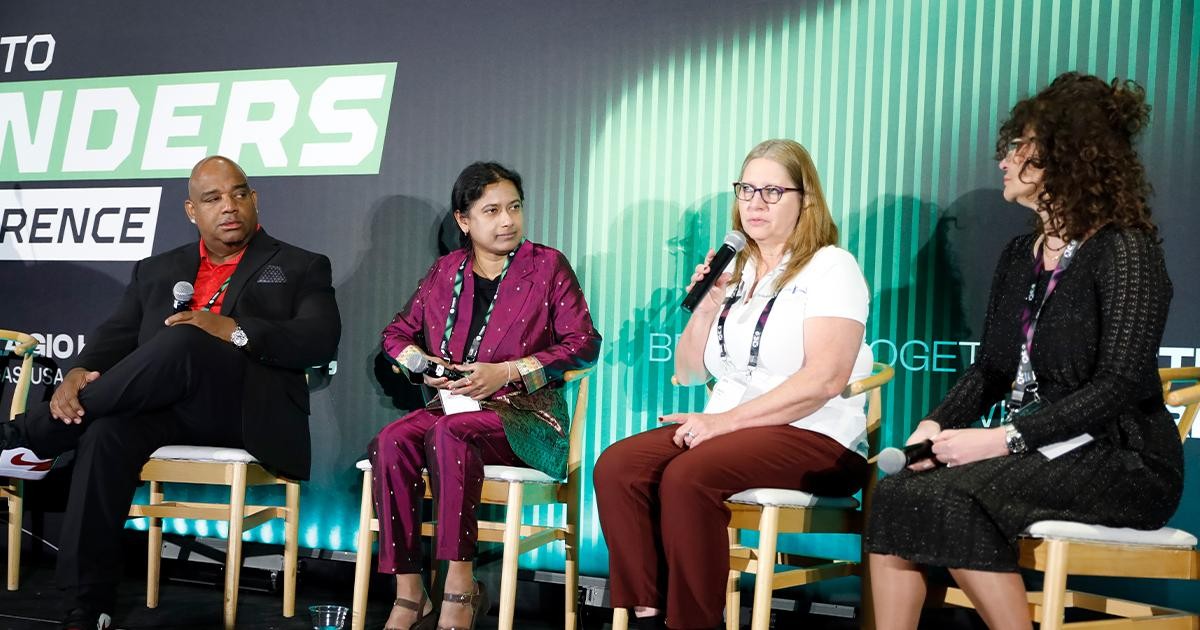
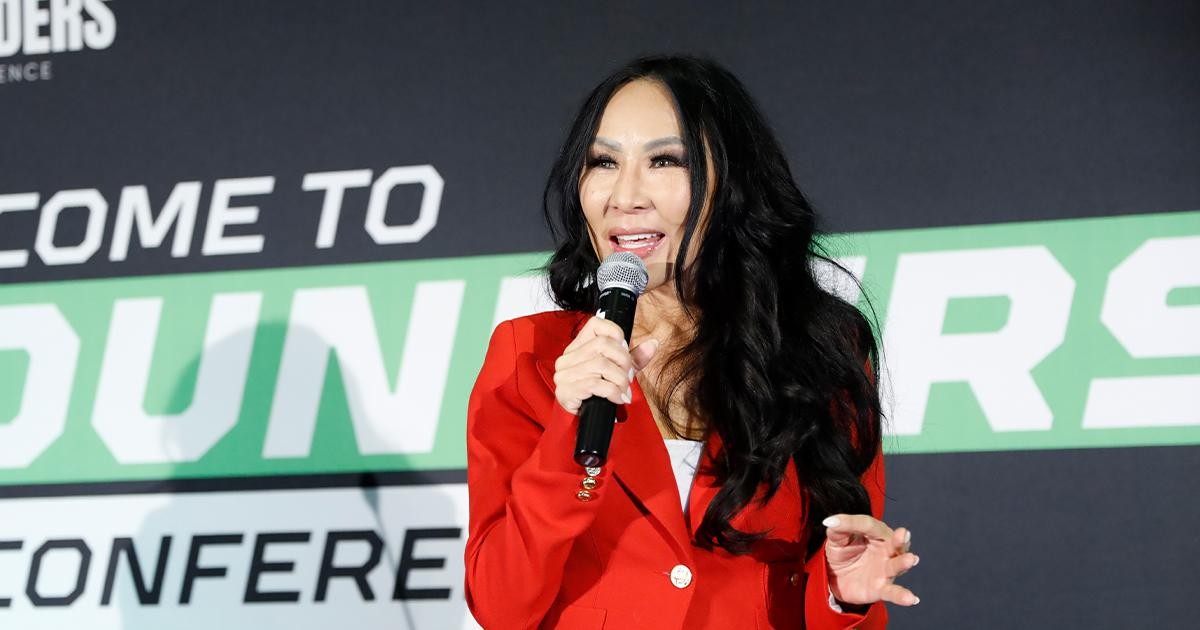
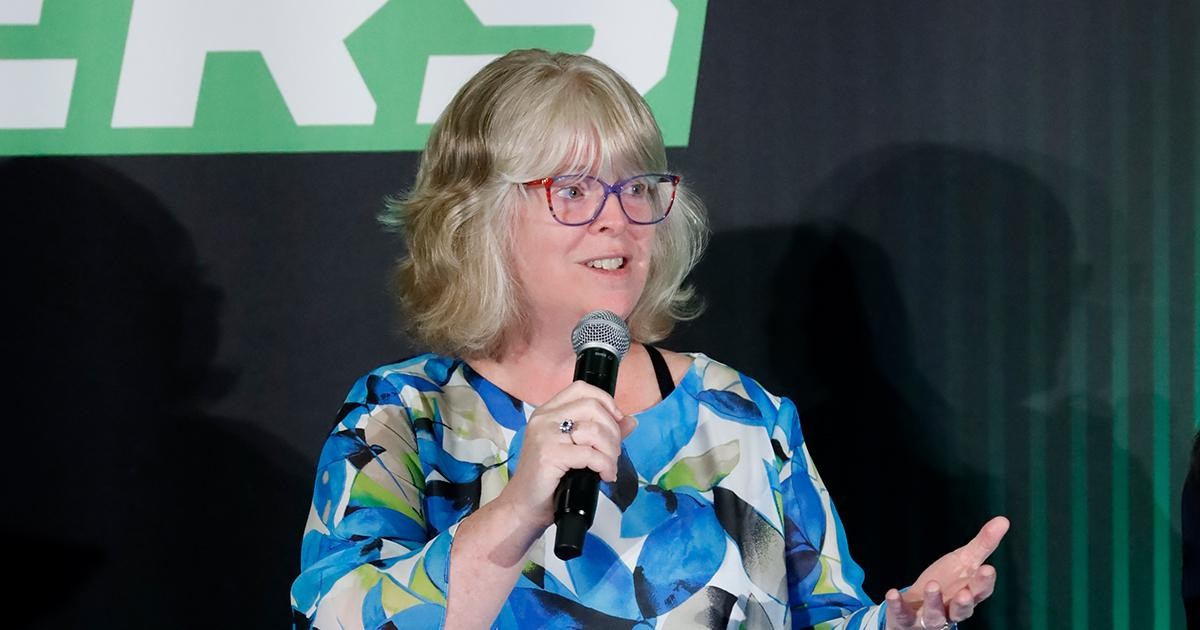
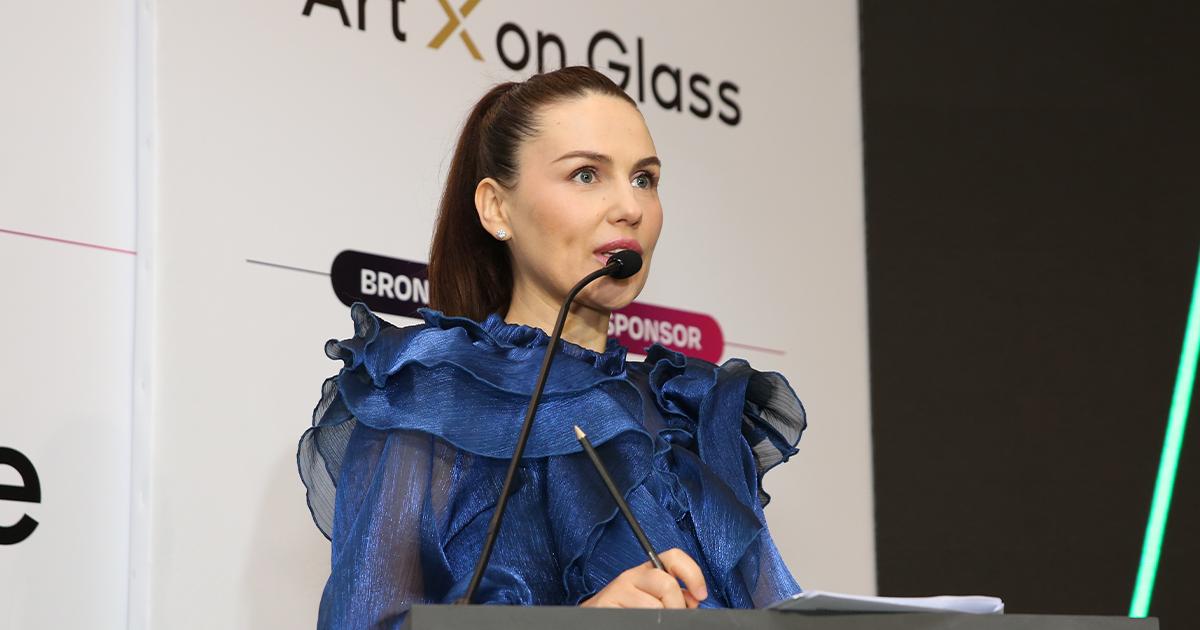
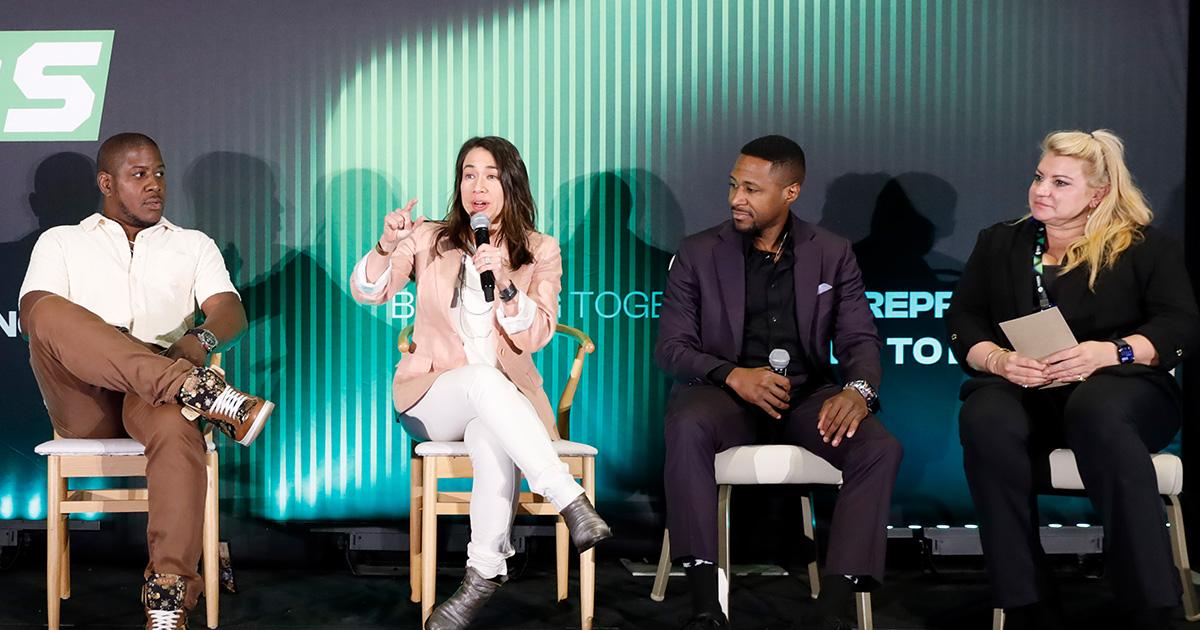
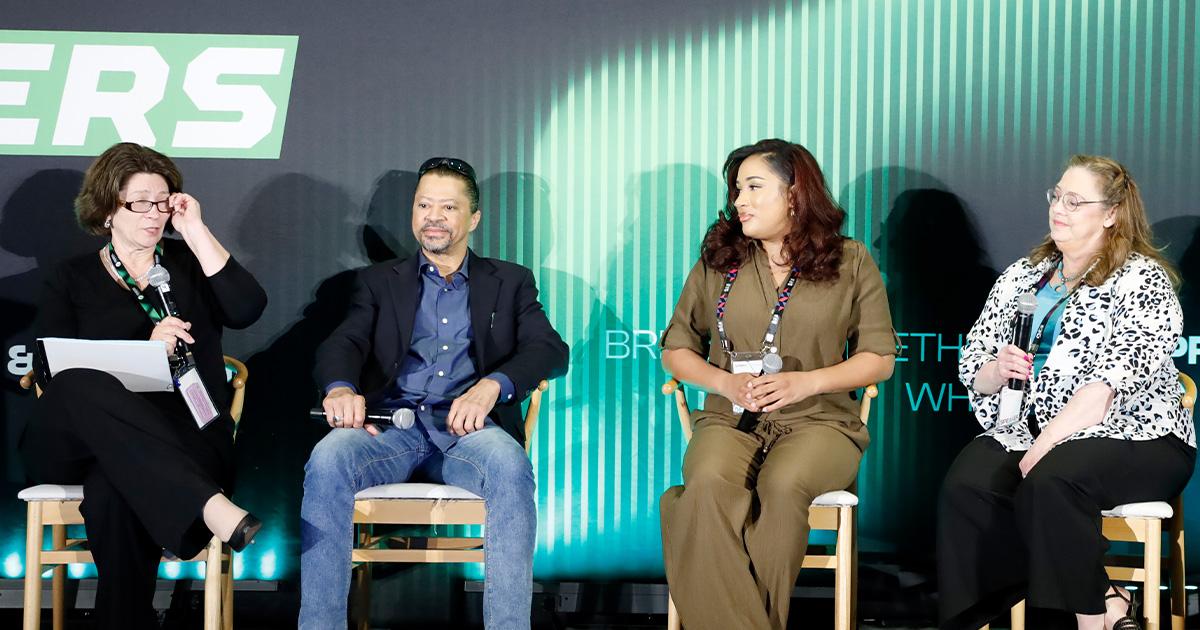
That challenge took center stage at the Founders 2.0 Conference, held from April 7 to April 9, 2026, at the Bellagio Hotel & Casino in Las Vegas, Nevada, USA. During the panel discussion, “Building A High-Performing Executive Team,” moderator Joseph Frankie III joined Marlene Chaker, Dr. Julie A. Bellemare, Gilbert Florentino, and Dr. Sukanya Punthambaker for a thought-provoking conversation on what separates exceptional leadership teams from those that struggle to scale and sustain success.
While the panelists came from vastly different industries and professional backgrounds, their insights pointed toward a common conclusion: great executive teams are built intentionally. They do not emerge through chance, titles, or individual accomplishments alone. They are shaped by leadership practices that empower people, strengthen relationships, and create an environment where everyone can contribute at their highest level.
Many leaders focus on how to hold others accountable, but the discussion challenged that mindset from the very beginning. Before accountability can become part of an organization’s culture, it has to start with the people leading it.
The conversation highlighted a simple but powerful idea: executive teams perform better when leaders take ownership of both successes and setbacks. When accountability becomes a personal standard rather than a management tool, it creates a ripple effect throughout the organization. Employees become more willing to take responsibility, collaborate on solutions, and focus on improvement instead of assigning blame.
This perspective was reinforced by Gilbert Florentino, CEO & Founder of 14 Seasons Cigar Company & Mi Amigo Auto Finance LLC, who emphasized that leadership begins with self-accountability, stating, “The number one thing that you have to do as an executive or building teams is you have to have accountability for yourself.”
What made this insight particularly impactful was its practical application. Accountability was discussed not as a disciplinary measure but as a foundation for culture. When leaders consistently demonstrate responsibility, integrity, and commitment to the process, they establish expectations that naturally influence the rest of the team. In many ways, accountability becomes less about supervision and more about setting the example others choose to follow.
Every organization wants engaged employees, but engagement rarely happens by accident. It is often the result of leaders who make people feel valued, supported, and empowered to grow.
One of the strongest themes throughout the discussion centered on the human side of leadership. Building a high-performing executive team is not simply about assembling skilled professionals; it is about creating an environment where individuals feel confident enough to contribute, learn, and lead.
The panel explored how leadership development plays a critical role in this process. Team members who are trusted with responsibility and encouraged to make decisions often develop greater confidence and stronger problem-solving abilities. Even mistakes become valuable learning opportunities when leaders focus on growth rather than perfection.
This philosophy was reflected in the experiences shared by Marlene Chaker, Founder & CEO of AAA Appraisal Management Company, who spoke about investing in her people and helping them develop into leaders themselves. As she explained, “When someone feels valued or seen or appreciated, they stay, and they work the extra mile, not because they have to, but because they want to.”
That statement captured an important reality about modern leadership. While compensation and benefits may attract talent, appreciation, recognition, and genuine investment in people are often what inspire long-term commitment. Employees who feel respected are more likely to remain engaged, collaborate effectively, and contribute beyond their basic responsibilities.
If accountability creates the foundation and culture provides the environment, trust is what allows executive teams to operate effectively day after day.
Trust influences nearly every aspect of leadership. It shapes communication, strengthens collaboration, and encourages individuals to contribute ideas without fear of criticism. Without trust, even highly talented teams can become fragmented. With trust, people are more willing to challenge assumptions, share perspectives, and work together toward common goals.
The discussion emphasized that trust cannot be demanded; it must be built through consistency, transparency, and mutual respect. Strong executive teams invest time in building relationships because they understand that performance is ultimately tied to how well people work together.
This idea was reinforced by Dr. Julie A. Bellemare, CEO of Scholara Education, LLC, whose perspective connected trust directly to organizational growth. As she observed, “The company only grows when the people can grow it.”
Her comment highlighted a broader leadership lesson. Businesses do not grow independently of their people. Growth happens when employees are given opportunities to develop new skills, expand their thinking, and contribute meaningfully to the organization’s mission. In that sense, trust becomes more than a leadership principle; it becomes a catalyst for innovation and progress.
One of the most engaging parts of the discussion focused on team composition and the common misconception that successful organizations are built by gathering only top-performing individuals.
The panelists offered a different perspective. High-performing executive teams are not necessarily made up of people who think alike or possess identical strengths. In fact, some of the strongest teams emerge when individuals bring different experiences, viewpoints, and problem-solving approaches to the table.
Rather than seeking uniformity, leaders benefit from identifying complementary strengths and creating opportunities for those strengths to work together. Diversity of thought allows organizations to approach challenges from multiple angles, resulting in stronger decisions and more innovative solutions.
The discussion made it clear that leadership is not about finding people who mirror one another. It is about creating a team dynamic where different capabilities contribute to a shared objective.
As organizations become increasingly global and interdisciplinary, the ability to lead diverse teams has become a critical leadership skill.
The conversation explored how diversity extends beyond culture and geography. It includes differences in expertise, professional experience, communication styles, and ways of thinking. While these differences can create challenges, they can also become a powerful source of innovation when leaders establish a common purpose.
This perspective was particularly evident in the experiences shared by Dr. Sukanya Punthambaker, Co-founder & CEO of Breaking Inc., whose work involves bringing together professionals from multiple scientific and technical disciplines. Despite their varied backgrounds, she pointed to a unifying factor that allows collaboration to flourish, noting, “We all speak the same language of science regardless of where the individual got their degree.”
Her observation underscored one of the discussion’s most important messages: successful teams focus on what unites them rather than what separates them. When people are aligned around a mission, diversity becomes a strength that broadens perspectives and improves outcomes.
Perhaps the most compelling takeaway from the session was that high-performing executive teams do not simply happen; they are intentionally developed. Leadership is not about controlling every decision or directing every action. It is about creating the conditions that allow talented people to succeed together. Whether the conversation focused on accountability, trust, communication, culture, or diversity, each insight pointed toward the same conclusion: people perform best when they feel empowered, supported, and connected to a shared vision.
The discussion ultimately revealed that building a high-performing executive team is less about finding extraordinary individuals and more about fostering an environment where ordinary individuals can achieve extraordinary results together. In many ways, this brought the conversation back to the thought that set the tone for the session. As Joseph Frankie III, President & Founder of JFIII Associates LLC, observed, “Execution comes down to one thing: the people in the room.” Whether the focus was accountability, trust, employee development, or diversity of thought, every insight reinforced the same message: organizational success is ultimately driven by the strength of the people leading it.
As businesses continue navigating increasingly complex challenges, leaders who prioritize people, cultivate trust, and invest in growth will be the ones best positioned to turn vision into lasting success. While every organization’s journey is unique, the principles of trust, accountability, and people-first leadership remain universal. To explore more conversations shaping the future of business and leadership, discover the latest insights from the global founder summit.
1. Why Is Networking Important At The Founders 2.0 Conference?
The conference creates opportunities for attendees to connect with entrepreneurs, investors, executives, and industry experts, helping participants build relationships that may support future collaborations, partnerships, and business growth.
2. How Can Organizations Identify Future Executive Leaders Within Their Teams?
Organizations can identify future leaders by observing individuals who consistently demonstrate initiative, adaptability, strong decision-making skills, and the ability to collaborate effectively while inspiring those around them.
3. What Role Does Emotional Intelligence Play In Executive Team Performance?
Emotional intelligence helps leaders navigate challenges, manage relationships, resolve conflicts, and foster trust within teams. Executive leaders with strong emotional intelligence are often better equipped to create positive and productive workplace cultures.
4. How Can Businesses Maintain High Performance During Periods Of Rapid Growth?
Businesses can sustain high performance during growth by maintaining clear communication, strengthening leadership alignment, investing in employee development, and ensuring that organizational values remain consistent as teams expand.
5. How Can Someone Participate In The Founders 2.0 Conference?
Entrepreneurs, business leaders, founders, investors, executives, and industry professionals can participate in the Founders 2.0 Conference by registering through the official conference website. The event provides opportunities to attend keynote sessions, panel discussions, networking activities, and industry-focused conversations.

Palak Gupta is a Content Writer at the Founders 2.0 Conference, where she develops insightful and engaging content centered on startup innovation, advancements in artificial intelligence, ethical business practices, and the evolving landscape of digital transformation. Through her work, she helps illuminate critical issues facing entrepreneurs today, including phishing scams, investment fraud, and identity theft. Outside of her professional pursuits, Palak enjoys exploring new cuisines, cooking, and gardening.
Posted on : Tue, 09/29/2026 - 14:29
Posted on : Tue, 09/01/2026 - 16:05
Posted on : Thu, 08/20/2026 - 18:15
Posted on : Tue, 08/18/2026 - 13:58
Posted on : Wed, 08/12/2026 - 12:52
Posted on : Mon, 07/13/2026 - 15:13
Posted on : Tue, 06/16/2026 - 14:01
Posted on : Thu, 04/16/2026 - 11:36
Posted on : Fri, 03/06/2026 - 14:01

Posted on : Wed, 02/25/2026 - 12:52