
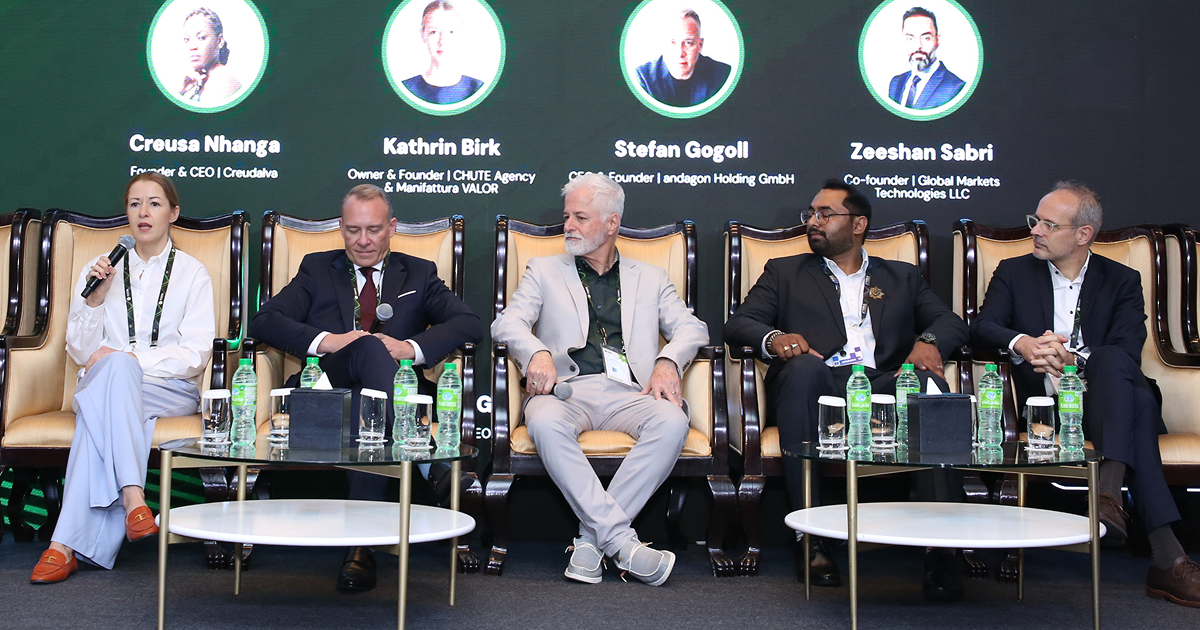
Every founder eventually reaches the same point. You know your product better than anyone else. You can explain every feature, every design decision, and every customer problem it was built to solve. Yet somehow, you're still the last person to notice the thing that's no longer working. That isn't a reflection of poor judgment or limited expertise. It's a natural result of spending months, or even years, looking at the same product through the same lens. The perspective you're missing is often the one you can't create on your own, and that's exactly what another founder can bring to the conversation.
That's why some of the most valuable moments at an international founders conference happen outside the keynote sessions. They happen when you explain your product to another founder who's hearing about it for the first time and suddenly find yourself pausing halfway through the conversation. Sometimes the questions they ask, or even the way they interpret what you've said, reveal gaps, assumptions, or opportunities that never surfaced during internal discussions.
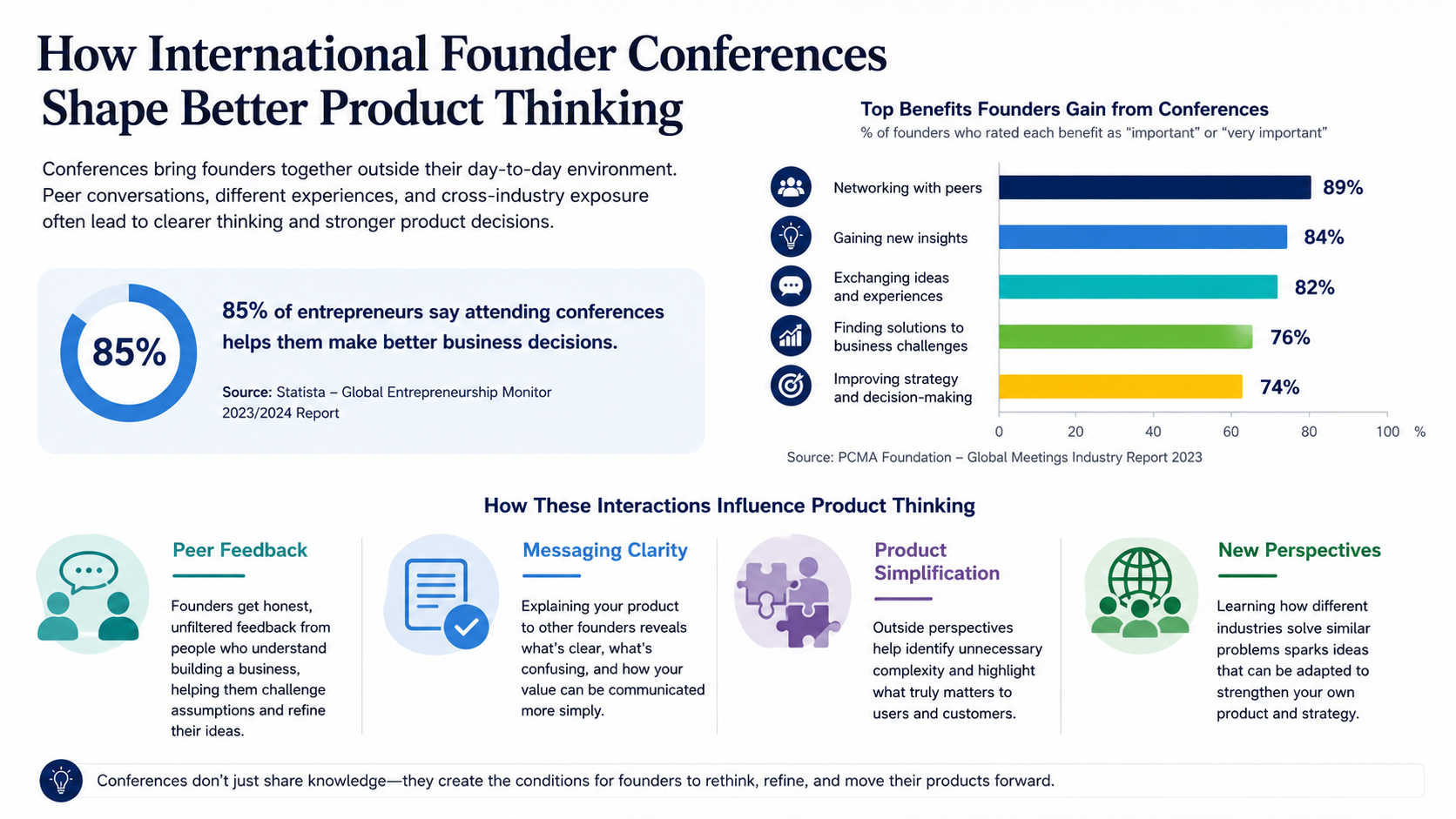
Inside every company, teams gradually develop their own shorthand. Everyone already knows why a feature exists, what problem it solves, and the decisions that shaped it. That shared understanding makes collaboration easier, but it can also hide explanations that no longer make sense to someone seeing the product for the first time.
Explaining your product to another founder strips away that familiarity. Without the benefit of your company's history or internal discussions, they rely entirely on how clearly you explain it. That's often enough to reveal details that are easy to miss when everyone around you already knows the story.
As those conversations unfold, founders often discover that:
The questions that improve a product aren't always the most complex. More often, they're the ones no one inside the company asks anymore. As products evolve, certain decisions become part of the routine. Teams stop revisiting them, not because they're perfect, but because they've become familiar.
Another founder approaches the conversation differently. They're not evaluating months of internal discussions or previous product iterations. They're simply trying to understand what makes sense and what doesn't.
That often leads to questions such as:
Questions like these don't always require immediate answers. Their value lies in prompting founders to revisit decisions that have quietly become accepted over time. Research on entrepreneurial decision-making suggests that discussing ideas with trusted peers helps founders challenge assumptions and spot opportunities they might otherwise miss while working within their own organizations.
Questions often reveal whether a decision still makes sense. Just as importantly, they reveal whether your product is being understood the way you intended.
One of the most valuable moments in a founder-to-founder conversation comes when someone describes your product in their own words. Their interpretation reflects what stood out most, not necessarily what you hoped they would remember. Sometimes they focus on a feature you consider secondary. Other times, they overlook the benefit you believe sets your product apart.
That difference matters because it highlights the gap between what you're communicating and what others are actually hearing. If another founder walks away with a different understanding after a thoughtful conversation, there's a good chance potential customers are doing the same.
These conversations often help founders identify opportunities to:
Every business gradually develops its own way of working. Processes become familiar, performance benchmarks feel realistic, and certain challenges start to seem unavoidable simply because they've always existed. Without another point of reference, it's easy to assume that's how every business operates.
Comparing experiences with other founders introduces a broader perspective. It doesn't tell you what to copy, but it does show that the same business challenge can often be approached in different ways.
These conversations can help founders:
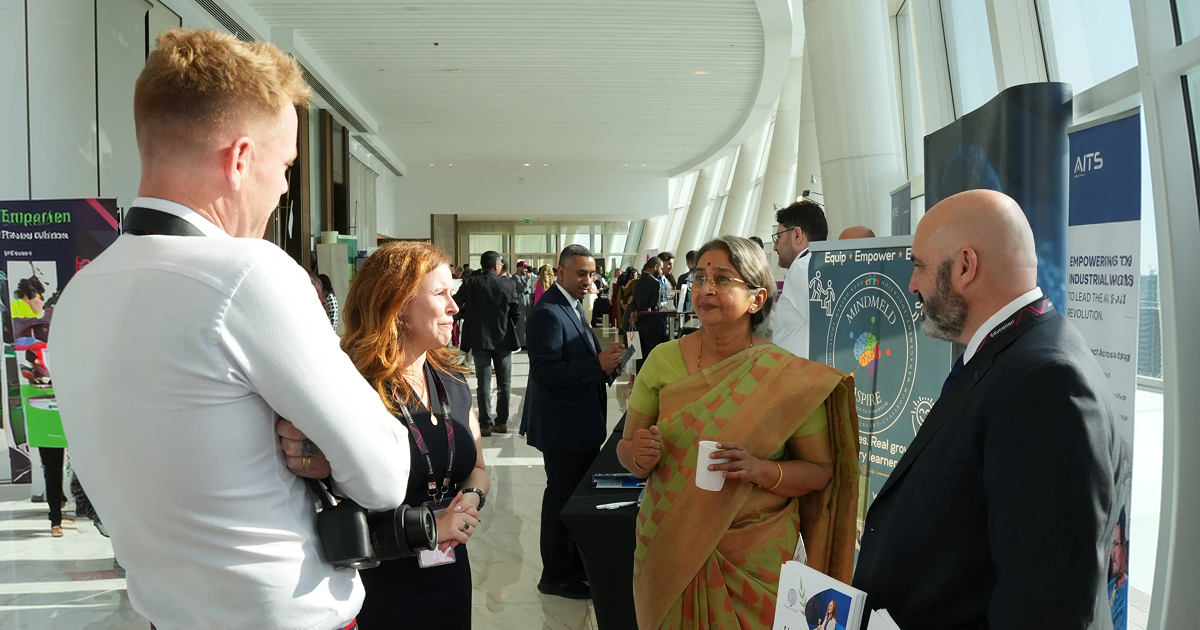
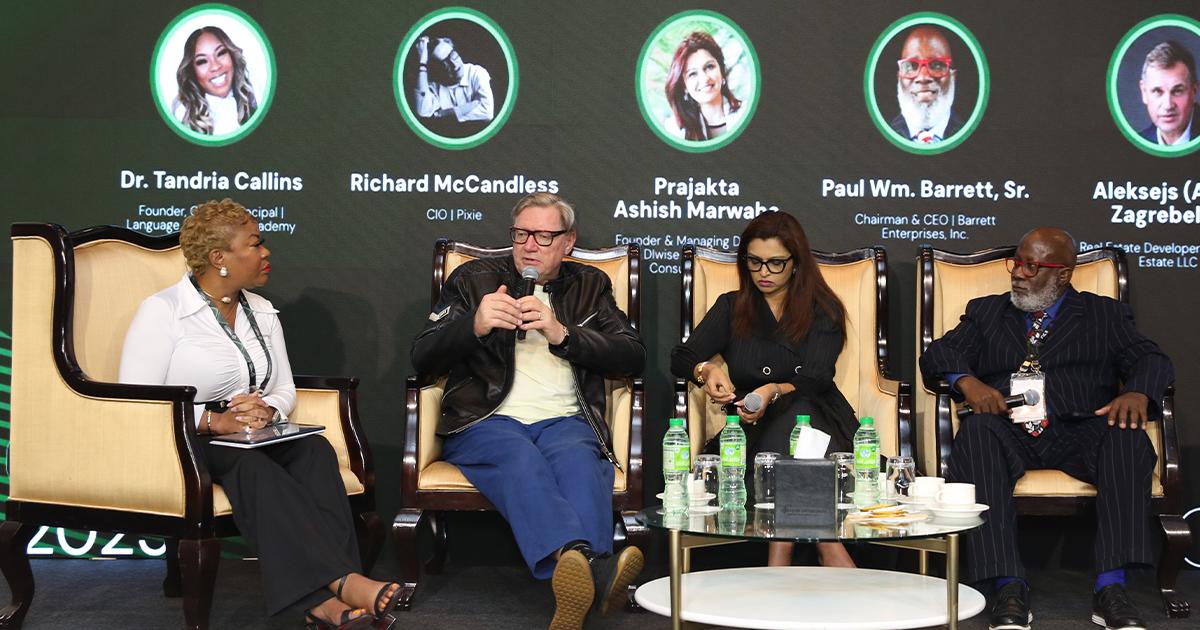
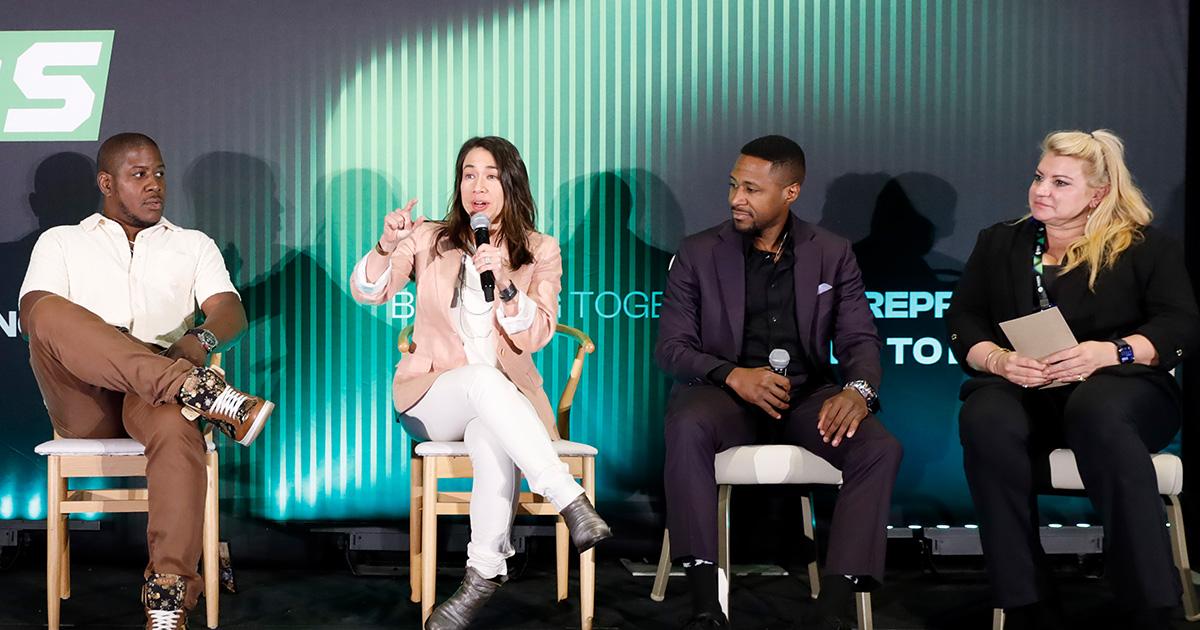
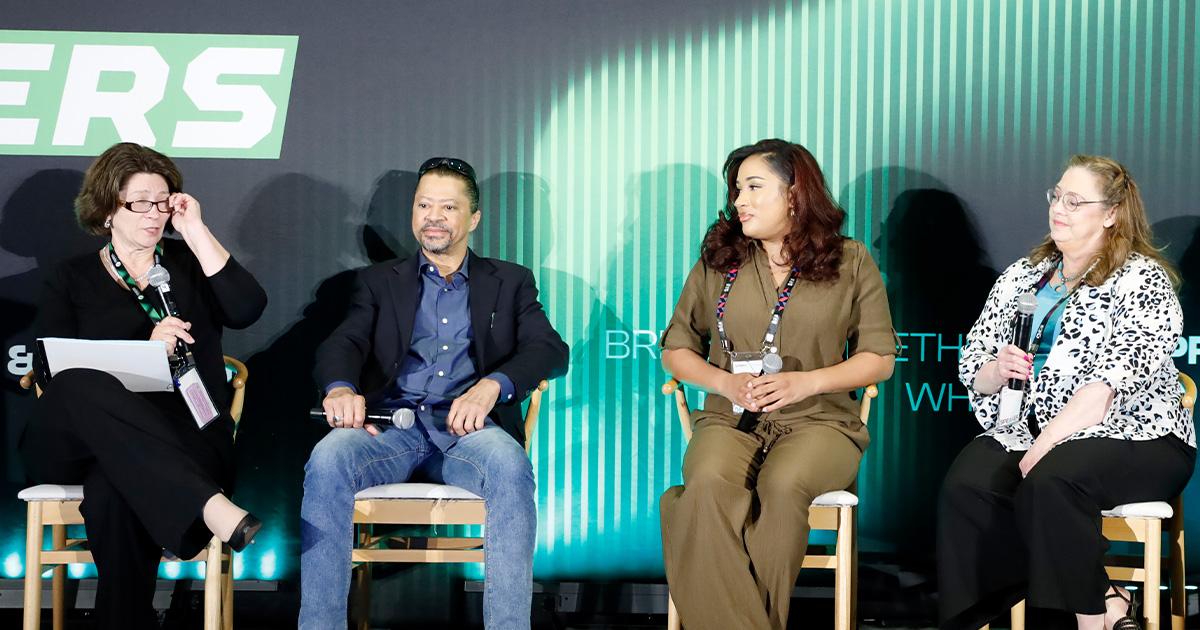
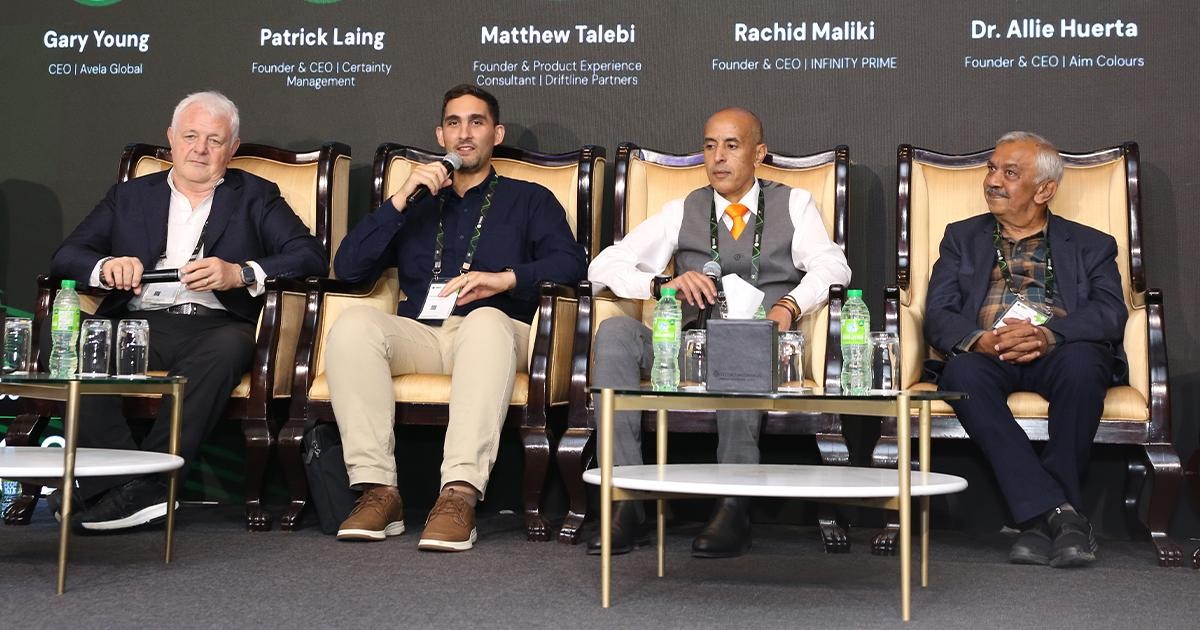
Many of these exchanges happen in settings designed to bring founders together with people outside their usual circles. An international founders conference creates opportunities to hear different viewpoints, compare experiences, and explore how businesses across industries approach similar challenges.
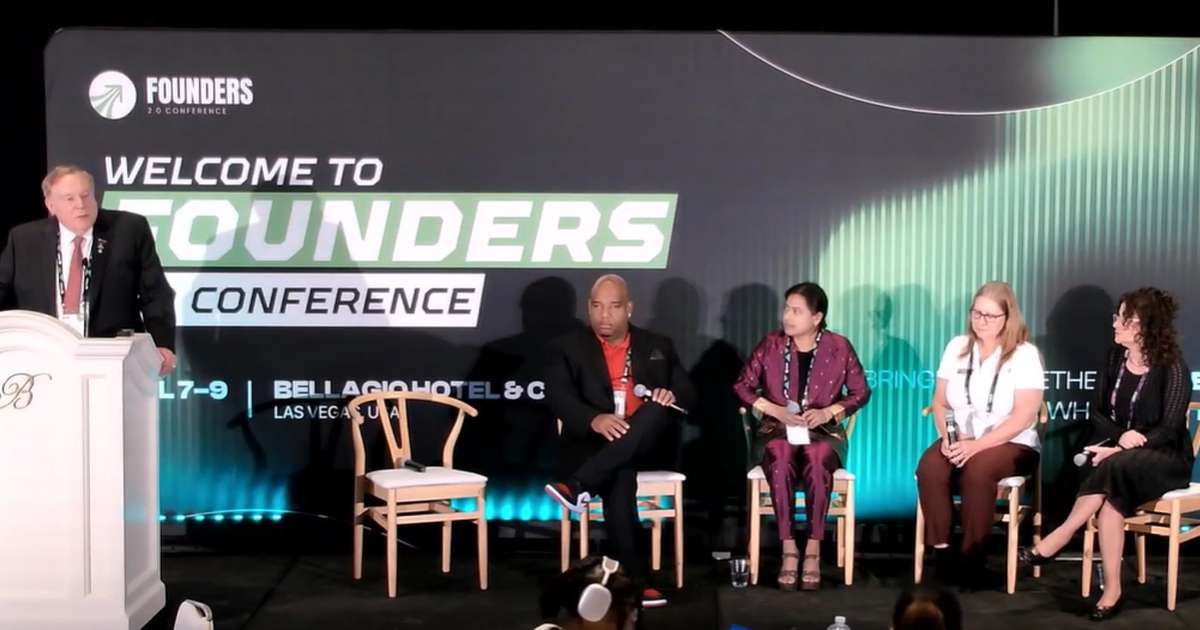
The Founders 2.0 Conference, taking place in 2027 at InterContinental DFC, Dubai, offers keynote sessions, panel discussions, networking opportunities, and collaborative discussions that encourage meaningful exchanges among entrepreneurs, business leaders, and innovators from around the world.
The value of an international founders conference extends well beyond the event itself. The conversations, questions, and comparisons that happen along the way often give founders a clearer understanding of their products, messaging, and business decisions. While no single discussion provides all the answers, each one adds another perspective that can influence how founders approach the next stage of growth. Over time, it's this continued exchange of ideas that helps businesses adapt, improve, and move forward with greater clarity.
1. Who should attend the Founders 2.0 Conference?
The Founders 2.0 Conference is designed for startup founders, entrepreneurs, business owners, investors, and executives who want to explore emerging business trends, expand their professional network, and engage in discussions with leaders from diverse industries.
2. What can attendees expect at the Founders 2.0 Conference?
Attendees can expect keynote sessions, panel discussions, networking opportunities, startup showcases, and interactive conversations covering entrepreneurship, business growth, innovation, leadership, and industry trends. The conference brings together professionals from different sectors to encourage meaningful collaboration and knowledge sharing.
3. Why is peer feedback valuable for founders?
Peer feedback offers viewpoints that may not emerge during day-to-day business operations. Founders can use these discussions to evaluate ideas, refine strategies, and consider alternative approaches based on the experiences of other business leaders.
4. How can founders continue improving their decision-making over time?
Continuous learning comes from staying engaged with industry developments, seeking diverse perspectives, reviewing business outcomes, and participating in professional communities where experiences and practical insights are shared regularly.
5. Why do founders benefit from connecting with entrepreneurs from different industries?
Interacting with founders from different sectors exposes businesses to a wider range of ideas, operational approaches, and problem-solving methods. These exchanges can inspire new ways of thinking and help entrepreneurs adapt proven practices to their own business context.
Palak Gupta is a Content Writer at the Founders 2.0 Conference, where she develops insightful and engaging content centered on startup innovation, advancements in artificial intelligence, ethical business practices, and the evolving landscape of digital transformation. Through her work, she helps illuminate critical issues facing entrepreneurs today, including phishing scams, investment fraud, and identity theft. Outside of her professional pursuits, Palak enjoys exploring new cuisines, cooking, and gardening.
Posted on : Tue, 10/13/2026 - 15:26
Posted on : Wed, 10/07/2026 - 18:00
Posted on : Tue, 09/01/2026 - 16:05
Posted on : Thu, 08/20/2026 - 18:15
Posted on : Tue, 08/18/2026 - 13:58
Posted on : Wed, 08/12/2026 - 12:52
Posted on : Mon, 07/13/2026 - 15:13
Posted on : Tue, 06/16/2026 - 14:01
Posted on : Thu, 04/16/2026 - 11:36
Posted on : Wed, 10/07/2026 - 17:33